History

The Voderady Chateau is the oldest building in the village, and it is still not precisely known when and by whom it was built. According to the architectural-historical and artistic-historical research conducted in 2017 by Mgr. Marian Havlík, the oldest parts of the chateau actually date back to the second half of the 17th century.

The chateau and its grounds are spread across the territory of the village of Voderady in the Trnava district. A legend about the origin of the village's name says that in ancient times, monks settled in the place where Voderady stands today. There was no water to be found anywhere in the vicinity. After a long search, the monks finally managed to discover a spring in the area of Malý Mačkavár, where out of gratitude they built a chapel with the inscription: "SME-VODE-RADI" (WE-ARE-GLAD-FOR-WATER).
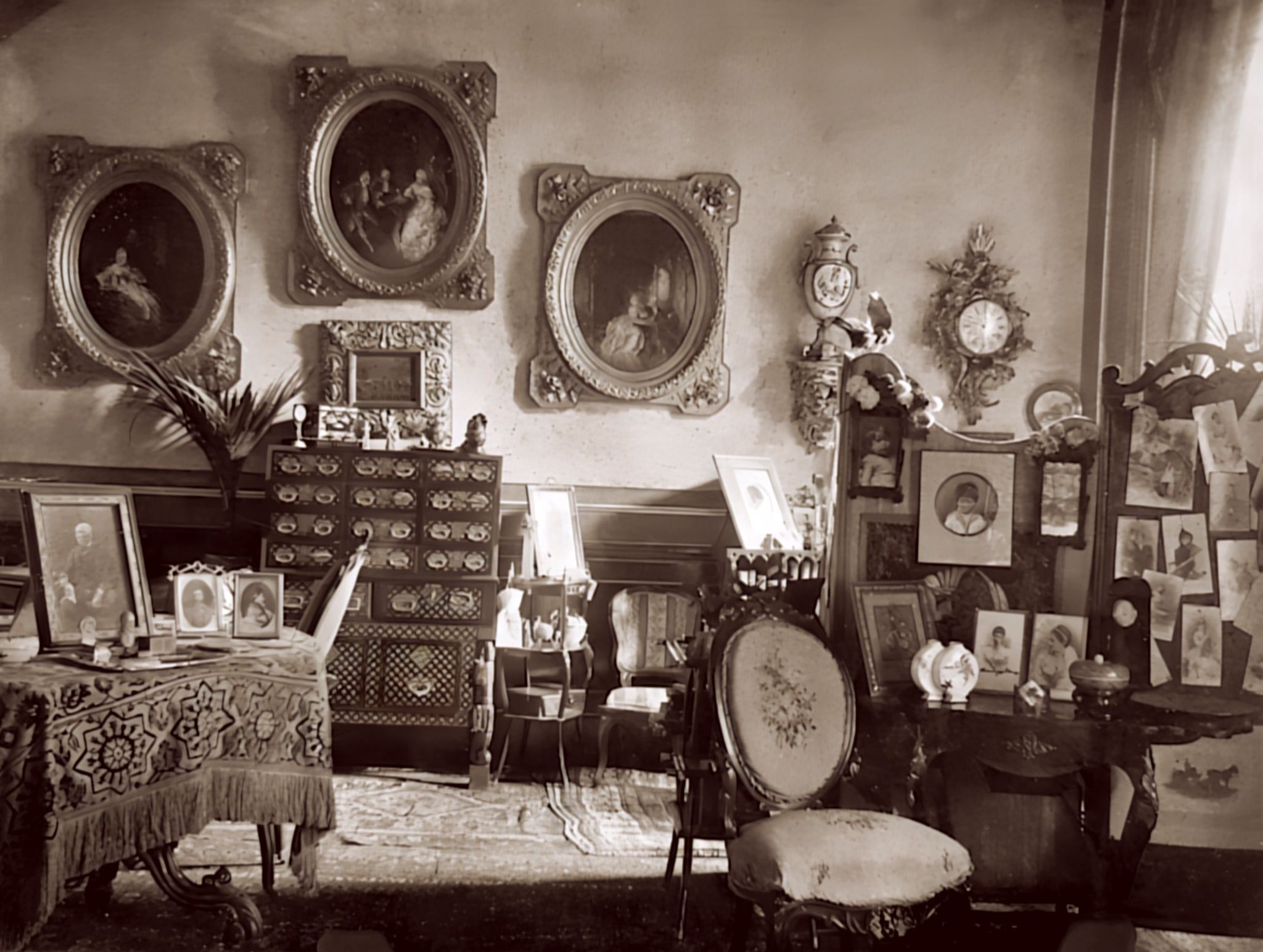
One of the most prominent Hungarian noble families - the Zichy family - contributed to the development and enhancement of the Voderady estate and the chateau itself. The estate came into the possession of the Zichy family in 1674, with Stephen Zichy the Elder being the first owner. Between 1860 and 1870, Count Francis Zichy radically reconstructed the originally single-story chateau, expanded it, and modified it in the style of early Empire buildings.

The last noble owners of the chateau were Julius Zichy, who died in 1930, and Clara Zichy (born 1883, died 1971) with her husband Stephen Keglevich (born 1880, died 1962). The chateau became famous primarily for its collections of artistic and historical objects from around the world and a large number of rare books. At the end of World War II, the Zichy family left the chateau, emigrated to Belgium, and part of the artifacts from the chateau was stolen and damaged.
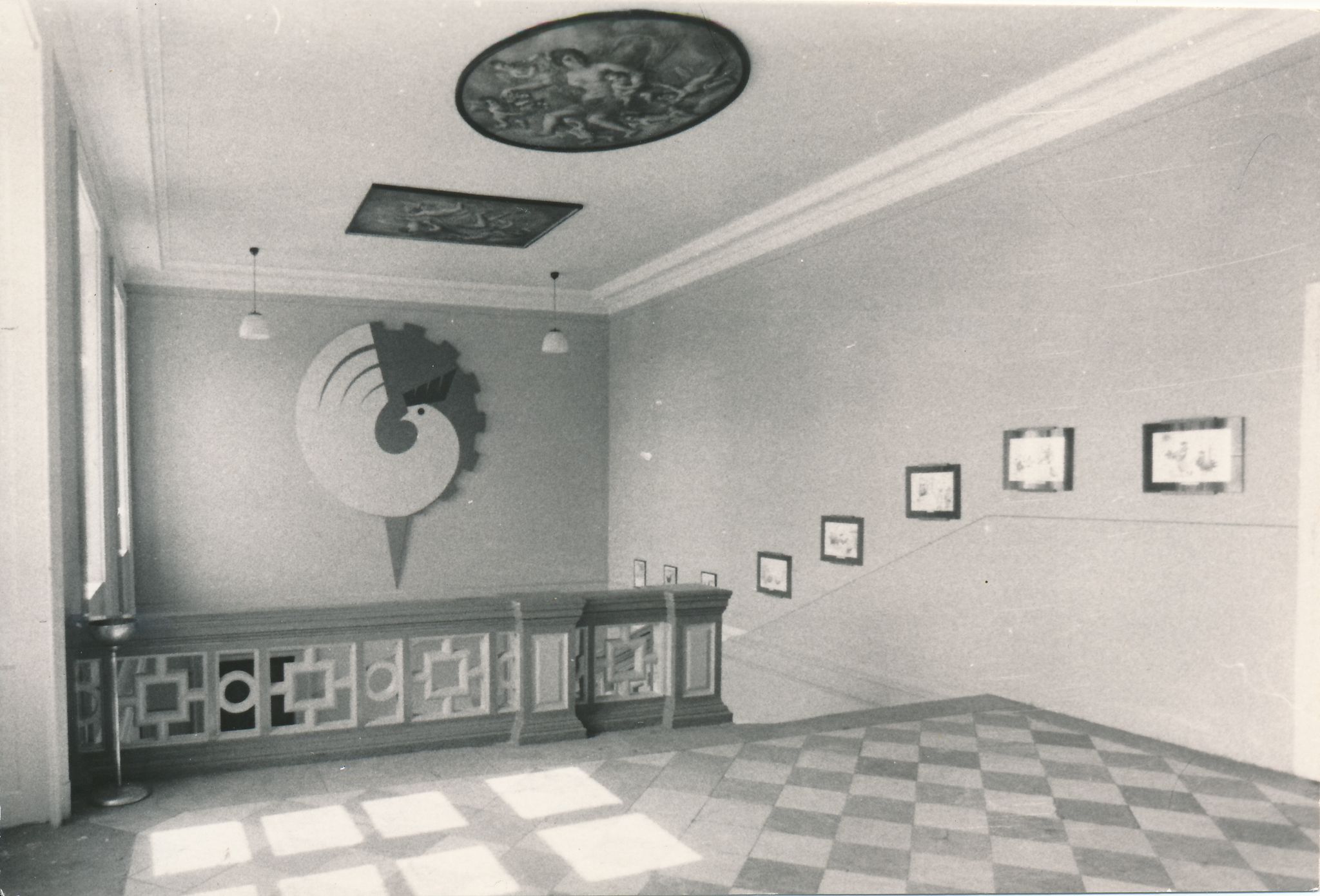
In 1946, the chateau was allocated to state property, and in the early 1950s, an Agricultural Apprentice School was established there. From 2007, the chateau was not in use and awaited a new owner. In the summer of 2016, the current owners of the chateau, Mr. and Mrs. Bohdal, became its proprietors. They reconstructed this national cultural monument with love and respect for its history, aiming to make the chateau accessible to the public. After extensive renovation, the chateau was ceremonially opened to the public in April 2024.

None of the original furnishings have survived to this day. A fraction of the preserved artifacts can be found in the Trnava Museum or in the Museum at Červený Kameň. Some elements from the chateau's chapel - such as the side altar, Stations of the Cross, and chandelier - are installed in the Church of St. Andrew in Voderady.